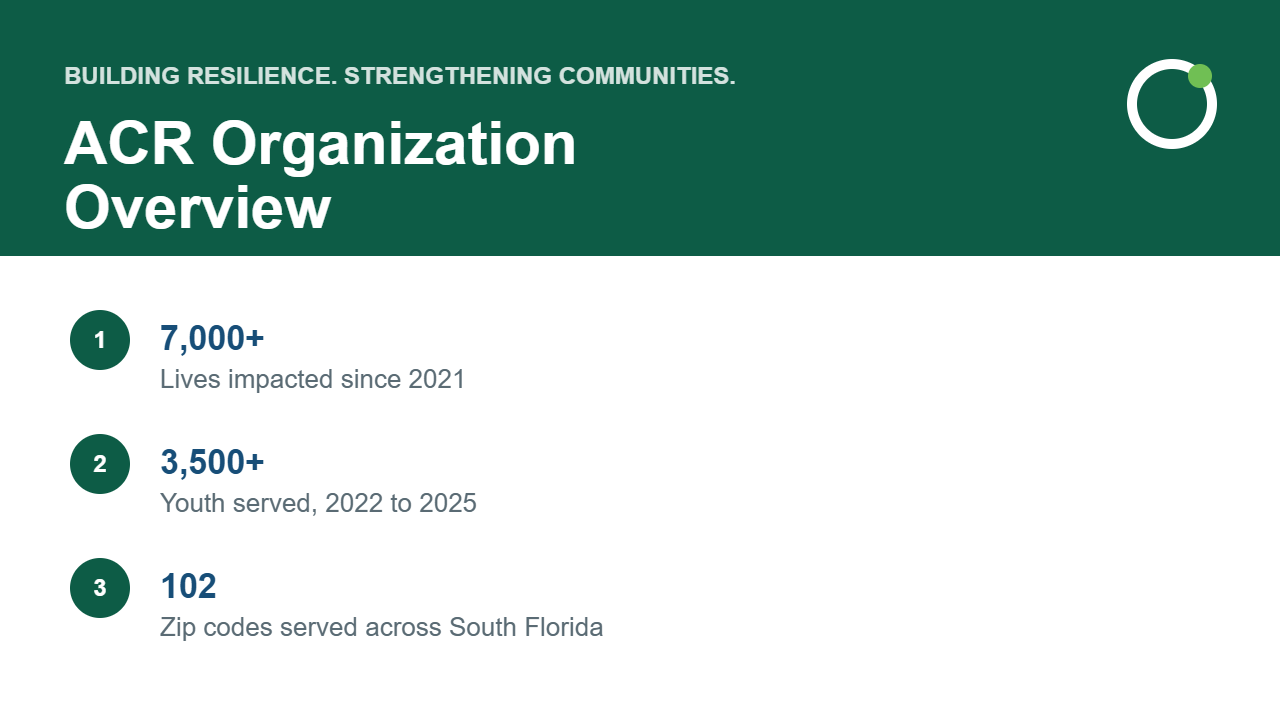
ACR Organization Overview
One page on who we are: our approach, the three programs, partners and awards, and results from 2021 through 2025. Print it or send it along.
If you or someone you love needs support, help is available right now, free and confidential. Start with the lines below, then explore resources for your situation.
If you or a loved one is in immediate danger, call 911, and tell the operator it is a psychiatric emergency so they send someone crisis-trained.
Call or text 988 to reach trained crisis counselors who provide support for suicidal crisis or mental-health distress. Confidential, 24/7.
Contact the 211 system for health and social-service assistance, information, and referrals in your community.
Your personal information will remain confidential. ACR is not a crisis service, for emergencies, always use the lines above.
We collaborate with schools, districts, colleges, agencies, and youth organizations to deliver our programs where they are needed.
Bring Teen Talk Dialogue Sessions to your students through a partnership with your school, district, or youth program.
Host the HBCU Mental Health & Wellness Tour on your campus. We work with deans of students, student affairs, and counseling centers.

Practical resources for individuals, families, and partner organizations. Share your details once and your downloads are unlocked for the rest of your visit.
One page on who we are: our approach, the three programs, partners and awards, and results from 2021 through 2025. Print it or send it along.
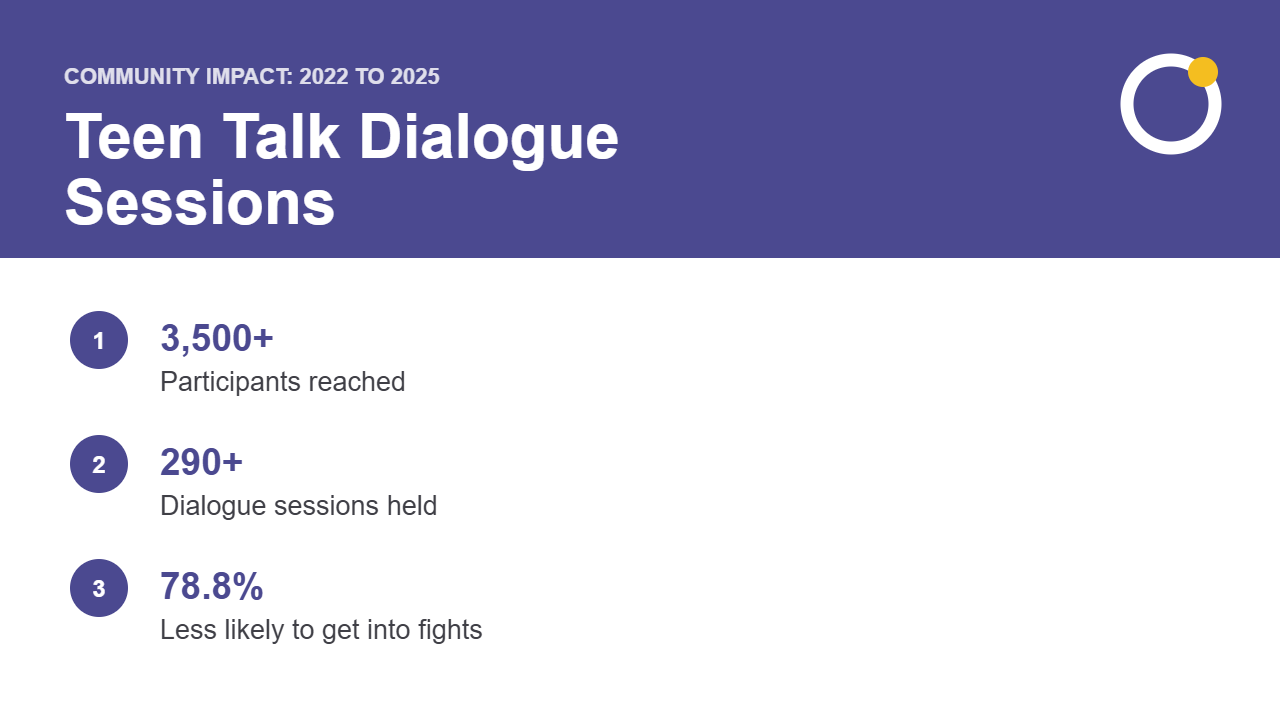
One page on the program in practice from 2022 through 2025: participants reached, sessions held, partners engaged, and teen evaluation results.
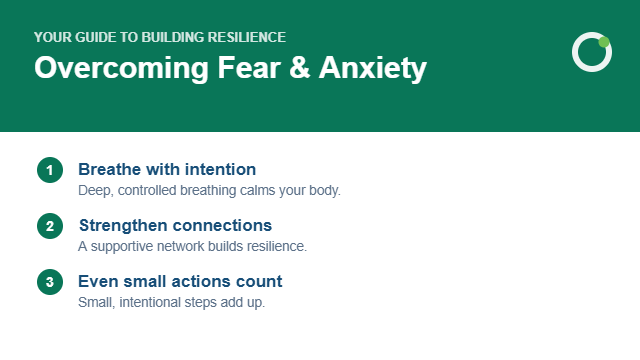
Your guide to building resilience, with practical steps like intentional breathing and stronger connections.
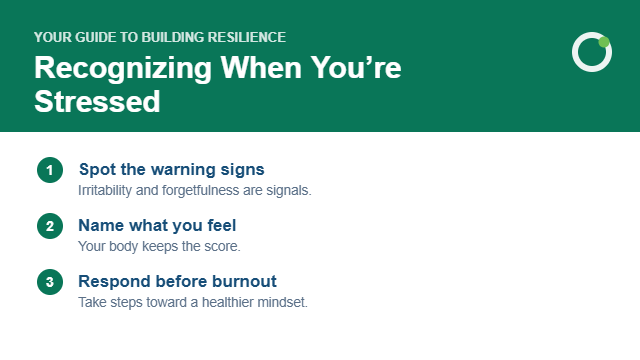
Simple, practical ways to recognize stress and build everyday resilience.
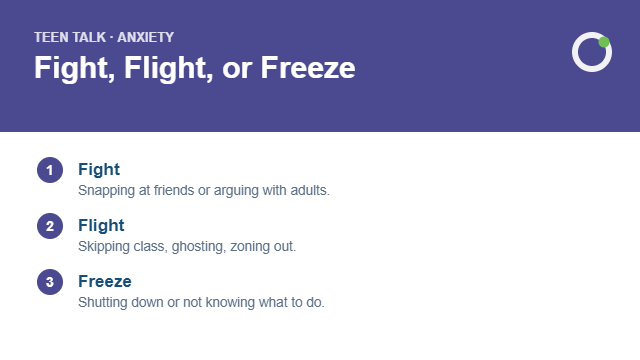
A teen-focused guide to spotting anxiety and what to do when fight, flight, or freeze takes over.
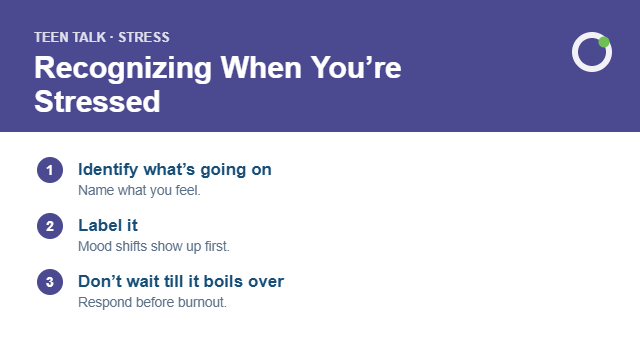
A teen-focused guide to understanding stress and healthy ways to handle it.
Rest is essential to physical, mental, and emotional balance. Relaxation lowers stress, supports mental health, and improves quality of life. Here are practical ways to unwind and recharge, whether you have an evening or a few minutes.
Read the article
Stress can feel like a rubber band stretched to its limit, and left unchecked the tension builds. These are thoughtful ways to cope and protect your well-being day to day, plus guidance on when to seek professional help.
Read the articleSeven steps to help you begin the search and find someone who is the right fit for you.
Adapted from NPR's guide to starting therapy. Read the full guide

Putting words to a feeling reduces its grip. Try "I feel ___ because ___."
A short walk shifts your nervous system. Movement is medicine you already own.
Connection is protective. Text one person you trust, you don't have to be okay first.
Sleep is the foundation of mental health. Guard it like the resource it is.